
Blog
 Mar 27, 2026 / BLOG
Why High-Value Assets Are No Longer Safe at Home in the UAE
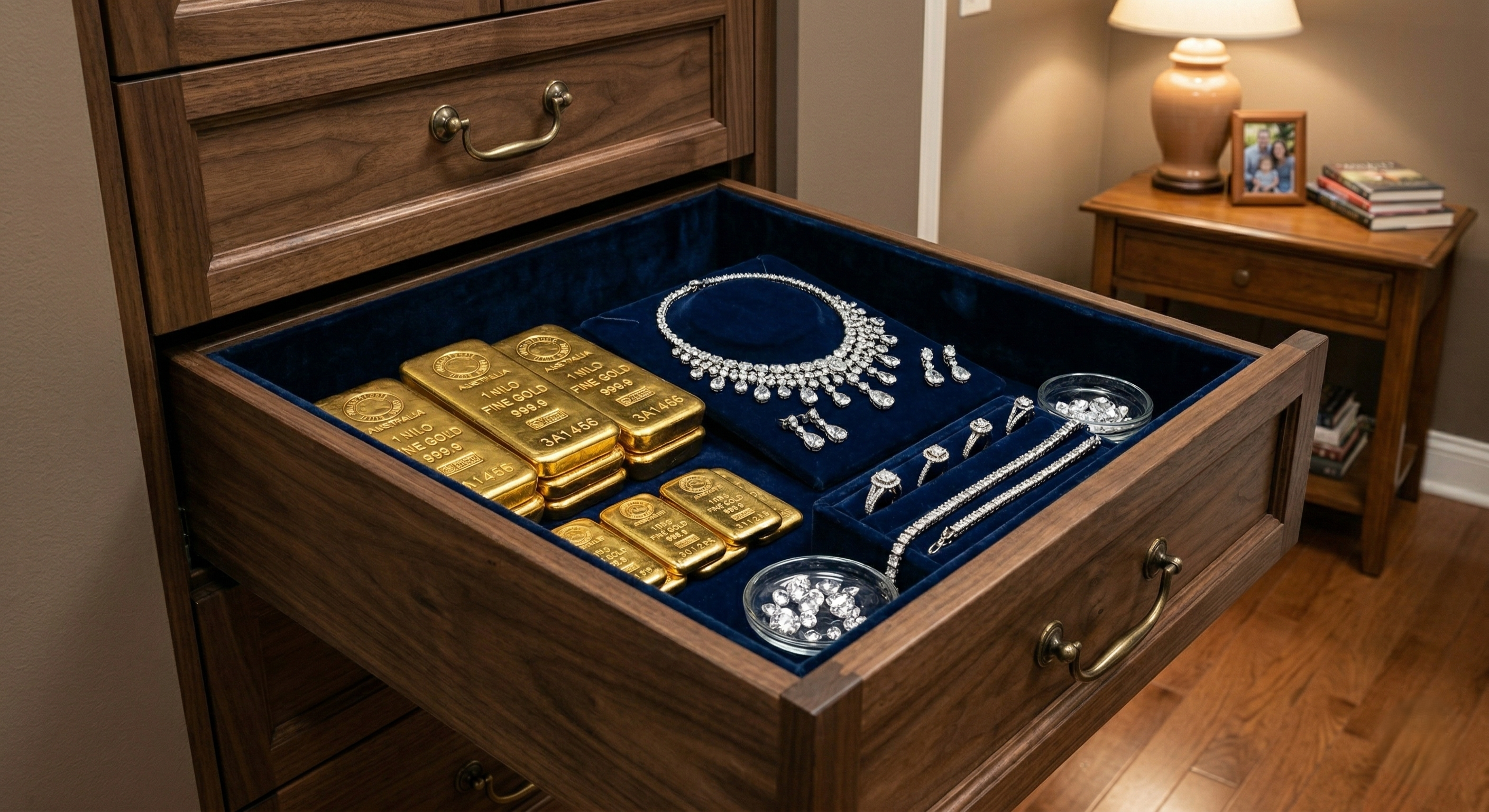
For many residents in the UAE, storing valuables at home has long felt convenient and familiar. Jewelry kept in bedroom safes, important documents tucked away in drawers, and gold stored discreetly inside cupboards are still common practices.
But as lifestyles evolve and asset values rise, the risks associated with home storage are becoming harder to overlook. What once felt secure is now increasingly exposed to vulnerabilities that modern households cannot easily control.
Changing risk realities inside homes
Homes today are filled with high-value items. Luxury watches, gold, cash reserves, important documents, and collectibles are no longer exceptions—they are part of everyday life for many families and professionals across the UAE.
At the same time, residential risks have changed. Home safes, no matter how solid they appear, remain limited by the environment they are placed in. They share the same exposure to burglary, fire, water damage, and access by others within the household.
False confidence in home safes
Home safes often provide a sense of security rather than comprehensive protection. While they may deter casual access, they are rarely designed to withstand determined attempts, extended exposure to heat, or unforeseen emergencies.
Many people assume that installing a safe solves the problem. In reality, the level of protection is still tied to:
- The structure of the home
- The location of the safe
- Who knows it exists
- How often it is accessed
These factors introduce variables that are difficult to control over time.
Lifestyle patterns increase exposure
The UAE’s lifestyle is highly mobile. Residents travel frequently, maintain multiple residences, and manage personal and business assets simultaneously.
Extended travel, empty homes, and shared living arrangements can increase exposure for valuables stored on-site. In such scenarios, even the most discreet storage methods may become points of vulnerability rather than protection.
Environmental risks are often underestimated
Beyond theft, environmental factors pose real threats to valuables stored at home. High temperatures, humidity fluctuations, and accidental damage can affect sensitive items such as documents, luxury goods, and digital storage devices.
These risks tend to surface gradually, often going unnoticed until irreversible damage has occurred.
Privacy and access control concerns
Another overlooked factor is privacy. Home storage inherently involves compromise. Family members, domestic staff, or visitors may be aware—intentionally or unintentionally—of where valuables are kept.
Over time, this reduces control over who knows what exists and where it is stored, creating long-term privacy concerns that cannot be easily reversed.
A shift toward purpose-built secure storage
As awareness around these risks grows, many UAE residents are reassessing the idea that home storage is sufficient. Secure storage is increasingly viewed as a dedicated function rather than an extension of residential space.
In cities like Dubai, this shift has led individuals and businesses to adopt professionally managed secure storage facilities designed around controlled access, environmental stability, and long-term protection. Solutions such as MySafe UAE reflect this change by offering storage environments built specifically for safeguarding high-value assets rather than adapting residential spaces for that purpose.
Rethinking what “safe” really means
Safety is not defined by familiarity. It is defined by reliability, control, and preparedness across all scenarios—not just when everything goes according to plan.
For UAE residents managing valuable and irreplaceable items, this reassessment is becoming an important part of modern asset planning. Understanding the limitations of home storage is the first step toward choosing protection that aligns with today’s realities rather than yesterday’s habits.


© 2026 Design by Marketing Intelligence All Rights Reserved